

Connor | February 16, 2026 | Truck accidents
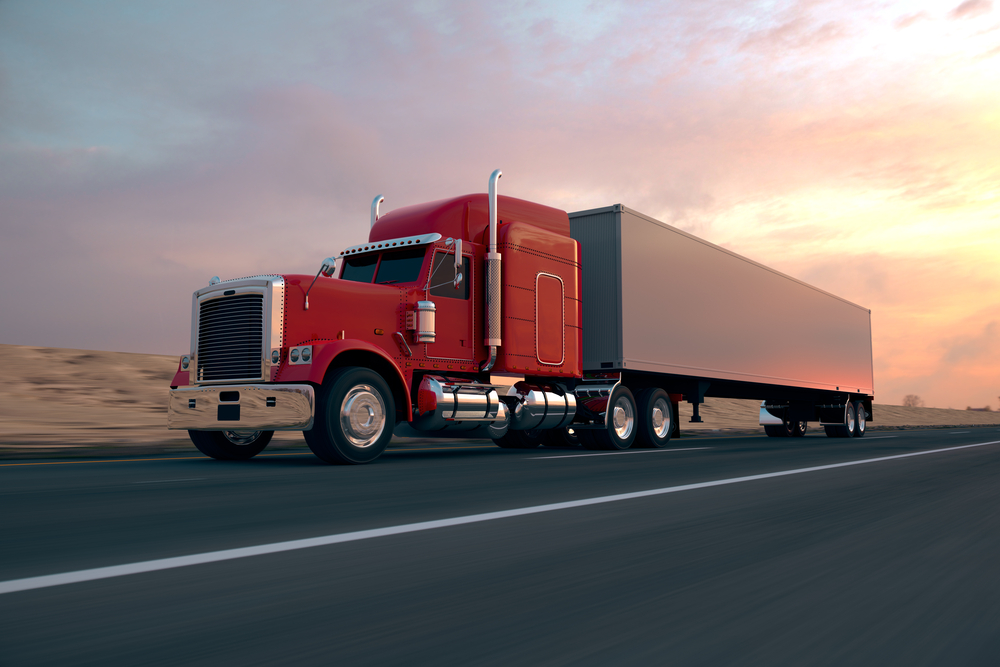
If you live in Dallas and drive a box truck for work or personal use, you might wonder whether you need a commercial driver’s license (CDL). The answer depends on the truck’s size, what it carries, and how it is used.
This guide explains box truck definitions, weight ratings, and Texas rules for CDLs. By the end, you will understand when a CDL is required, how to drive safely and legally, and contact information if you need a truck accident lawyer.
What Is a Box Truck?
A box truck is a medium vehicle with a cab in front and a rectangular cargo box behind. Because the cab and cargo share the same frame, it is easier to drive than a tractor‑trailer. Businesses use box trucks to deliver appliances and furniture, and many people rent them when moving house. They come in different sizes and weight ratings.
Larger trucks carry more and weigh more, which may place them under commercial rules. Knowing what type of box truck you drive helps you decide if you need a special license.
CDL Requirements in Texas
Texas uses federal standards to decide when a CDL is necessary. Generally, a CDL is required if the vehicle’s GVWR is 26,001 pounds or more or if it tows another vehicle with a GVWR over 10,000 pounds when the combined weight exceeds 26,001 pounds. A CDL is also needed for vehicles designed to carry 16 or more people and for those transporting hazardous materials.
Most small box trucks used for local deliveries or moves have GVWRs below 26,001 pounds and can be driven with a regular Class C license. Larger box trucks used for commercial freight may exceed the threshold and require at least a Class B CDL. Check the GVWR label or ask the rental company if you are unsure.
Situations Where a CDL Is Needed
You may need a CDL in these situations:
- Large trucks: A CDL is required if the box truck’s GVWR is 26,001 pounds or higher. Many large moving trucks fall into this category.
- Towing heavy trailers: When a trailer weighs more than 10,000 pounds, and the combined weight exceeds 26,001 pounds, a Class A CDL is needed.
- Hazardous materials: Even light trucks require a CDL with a hazmat endorsement if they carry hazardous goods.
- Many passengers: A CDL with a passenger endorsement is needed when the vehicle is designed to carry 16 or more people.
Each of these situations involves extra risk, so the law requires drivers to have additional training. If your use fits any of these categories, you must obtain the proper class and endorsements to avoid fines and liability.
Choose Safe and Legal Box Truck Operation
Whether you need a CDL for a box truck in Texas depends on the truck’s GVWR, what you haul, and how many people you carry. Most small and medium box trucks used for household moves and local deliveries can be driven with a regular license. Larger trucks, those towing heavy trailers, transporting hazardous materials, or carrying many passengers, do require a CDL.
Exemptions apply to personal RVs, farm vehicles, emergency vehicles, and military vehicles, but these are specific situations. Taking the time to understand the rules and following safety tips will help you stay legal and protect yourself and others on the road.
Contact Nash Law Personal Injury Lawyers To Schedule a Free Consultation With a Dallas Truck Accident Lawyer
Understanding whether you need a CDL to drive a box truck in Texas starts with knowing the vehicle’s weight rating, how it’s used, and what it carries. Many box trucks used for personal moves or local deliveries fall below the CDL threshold, but larger trucks and certain uses trigger additional licensing requirements.
If you or a loved one has been injured in a truck-related accident, contact Nash Law Personal Injury Lawyers to schedule a free consultation with a truck accident lawyer.
Nash Law Personal Injury Lawyers Dallas
2807 Allen St., Suite 2033, Dallas, TX 75204
(214) 831-4414