

Connor Nash | November 27, 2025 | Truck accidents
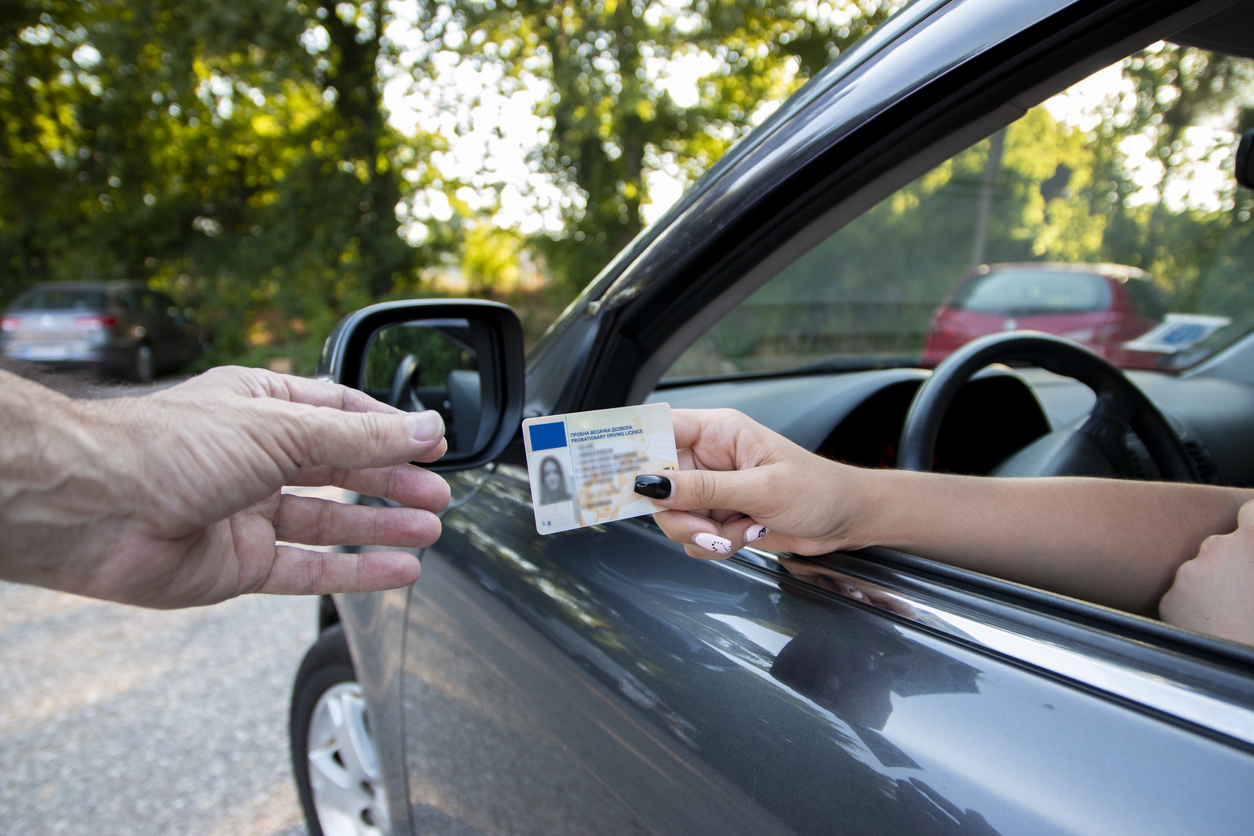
In Texas, there are three main types of Commercial Driver’s Licenses (CDLs). Each license class allows a driver to operate different commercial vehicles based on various factors. Those factors include Gross Vehicle Weight Rating (GVWR), trailer weight, passenger capacity, and hazardous material transport.
Specific Texas CDL holder counts fluctuate. However, CDLs are critical to sustain Texas’s large commercial transportation industry, given the state’s size and trucking volume. Continue reading to learn more about the types of commercial driver’s licenses and how to obtain them.
What Are the Types of Commercial Driver’s Licenses in Texas?
The three types of commercial driver’s licenses issued in Texas are:
Texas Class A CDL
A driver with a Class A CDL can operate a variety of vehicles, including big rigs, flatbeds, tractor-trailers, livestock carriers, and tanker vehicles. This class also covers vehicles in Class B and Class C. Class A covers combination vehicles with a GCWR (Gross Combination Weight Rating) of 26,001 pounds or more. The towed vehicle must weigh 10,001 pounds or more.
Texas Class B CDL
A driver with a Class B CDL can operate single vehicles with a GVWR of 26,001 pounds or more. They can also operate combination vehicles when the weight of the towed vehicle is less than 10,000 pounds. Examples of Class B vehicles include delivery trucks, large buses, box trucks, and dump trucks.
Texas Class C CDL
A driver with a Class C CDL can operate commercial vehicles that do not fall within Class A or Class B. They can drive vehicles that carry 16 or more people, including the driver, as well as vehicles transporting hazardous materials.
What Are the Endorsements to Commercial Driver’s Licenses in Texas?
In addition to obtaining a CDL, individuals can apply for CDL endorsements. Drivers may add endorsements to their CDL to operate specific vehicles or transport particular goods.
Common endorsements in Texas include:
- P (Passenger): For vehicles transporting 16+ passengers
- S (School Bus): To operate school buses
- N (Tank): For tank vehicles carrying liquids or gases
- H (Hazardous Materials): For the transport of hazardous goods
- X Endorsement: Combination of Tank and Hazardous Materials endorsements
- T (Double/Triple Trailers): For towing multiple trailers
The requirements for CDL endorsements vary depending on the endorsement. Obtaining one or more endorsements opens more opportunities for drivers by allowing them to drive more vehicles.
What Are the Requirements to Obtain a CDL in Texas?
Applicants for a commercial driver’s license in Texas must meet specific requirements. Federal and state laws regulate CDLs.
General requirements for a Texas CDL include:
- Be at least 21 years old for interstate driving and 18 years old for intrastate driving
- Hold a valid Texas driver’s license
- Obtain a Commercial Learner’s Permit (CLP) by passing knowledge tests and hold it for at least 14 days
- Pass a medical examination and provide a Medical Examiner’s Certificate verifying fitness to drive
- Submit documentation proving U.S. citizenship or lawful presence, Texas residency, valid ID, Social Security number, vehicle registration, and insurance (where applicable)
- Pass vision, knowledge, skills, and driving tests covering vehicle inspection, basic vehicle control, and road test
Understanding the different CDL classes and endorsements, along with the strict safety regulations for commercial driving in Texas, is essential for any professional driver and helps highlight the significant responsibility they carry on the road.
Safety Regulations for CDL Holders in Texas
Texas CDL holders are subject to strict controlled substance and alcohol regulations. The BAC legal limit for CDL holders is 0.04%, which is half the limit for non-commercial drivers. Drug and alcohol testing includes reasonable suspicion, random, post-accident, and return-to-duty testing.
CDL holders are subject to hours of service regulations. These rules limit the number of hours a driver can operate a commercial motor vehicle without breaks and rest periods. Failure to comply with CDL regulations can lead to suspension or revocation of the license and may impact federal highway funding to the state.
State and federal regulations also mandate vehicle and equipment inspections. Drivers must perform pre-trip and post-trip inspections. Vehicles must have specific emergency equipment and safety gear onboard. Carriers are required to maintain vehicles and make necessary repairs.
Contact the Dallas Truck Accident Lawyers at Nash Law Personal Injury Lawyers for Help Today
If you have been injured in a truck accident, you may have a personal injury claim against the trucking company, the driver, and other parties. Nash Law Personal Injury Lawyers is here to help.
Truck accidents cause catastrophic injuries, economic damages, and non-economic damages. Prompt legal advice improves the chances of a favorable outcome.
Contact us today at (214) 831-4414 or visit our Austin law office for a free consultation with a Dallas personal injury lawyer.
Nash Law Personal Injury Lawyers Dallas
2807 Allen St., Suite 2033, Dallas, TX 75204
(214) 831-4414